Freedom to Prosper - European Movement UK

Freedom to Prosper

British Business and the Case for the Single Market

British businesses are paying the price of leaving the EU Single Market. Rising costs, mounting red tape, and shrinking access to European markets are holding back growth across every sector and region. This report sets out the evidence, shares the voices of businesses who are living with the consequences, and makes the case for a better deal with Europe.

British businesses and Brexit impact

Six Years Without Access: The UK's Experience

The United Kingdom left the Single Market in 2020 following four years of negotiations after the 2016 referendum. In the time since, the European Movement has conducted a series of business impact surveys. Over 3,000 businesses and individuals took part in our quantitative assessments.

Even before the UK formally left, businesses were already citing impacts, with the loss of contracts and tougher procurement rules coming into force as early as 2016. What the evidence now shows clearly is that many of the barriers facing British businesses today stem directly from the loss of frictionless access to the European Single Market.

Companies across the country have worked hard to adjust to the new trading environment. However, resilience should not be mistaken for satisfaction. The cumulative effect of added bureaucracy and uncertainty places UK firms at a relative disadvantage compared to competitors operating entirely within the Single Market.

What Businesses Told Us

Paws Pet Transport

"As soon as the final agreement was in place, my business was affected overnight. Veterinary licences were voided, and border control became chaotic, collapsing our pet transport operations. The collapse of the business was a direct result of Brexit."

Paws Pet Transport, Austin Wildmoore
Harrogate, Yorkshire
Apparel Studio

"As soon as the referendum vote happened in 2016 our earnings were cut in half almost overnight. People often say to just 'move on' from Brexit, but that's impossible when businesses like mine feel the negative impacts on a weekly basis."

Apparel Studio, Mike Donovan
Stockport, Greater Manchester
International House Bristol

"Brexit severely depleted our access to the people we need in our business, both clients and staff, and reduced our contribution to the local economy by more than 60%."

International House Bristol, Dr Val Hennessy
Bristol, South-West England
Nova Dog Chews

"Suddenly, we needed independent health certificates issued by vets, not to mention the paperwork to import and export increased dramatically, as did our costs. This certainly stifled our business growth as the cost to adapt was so great."

Nova Dog Chews, Anton Murphy
Kilmaurs, Ayrshire, Scotland
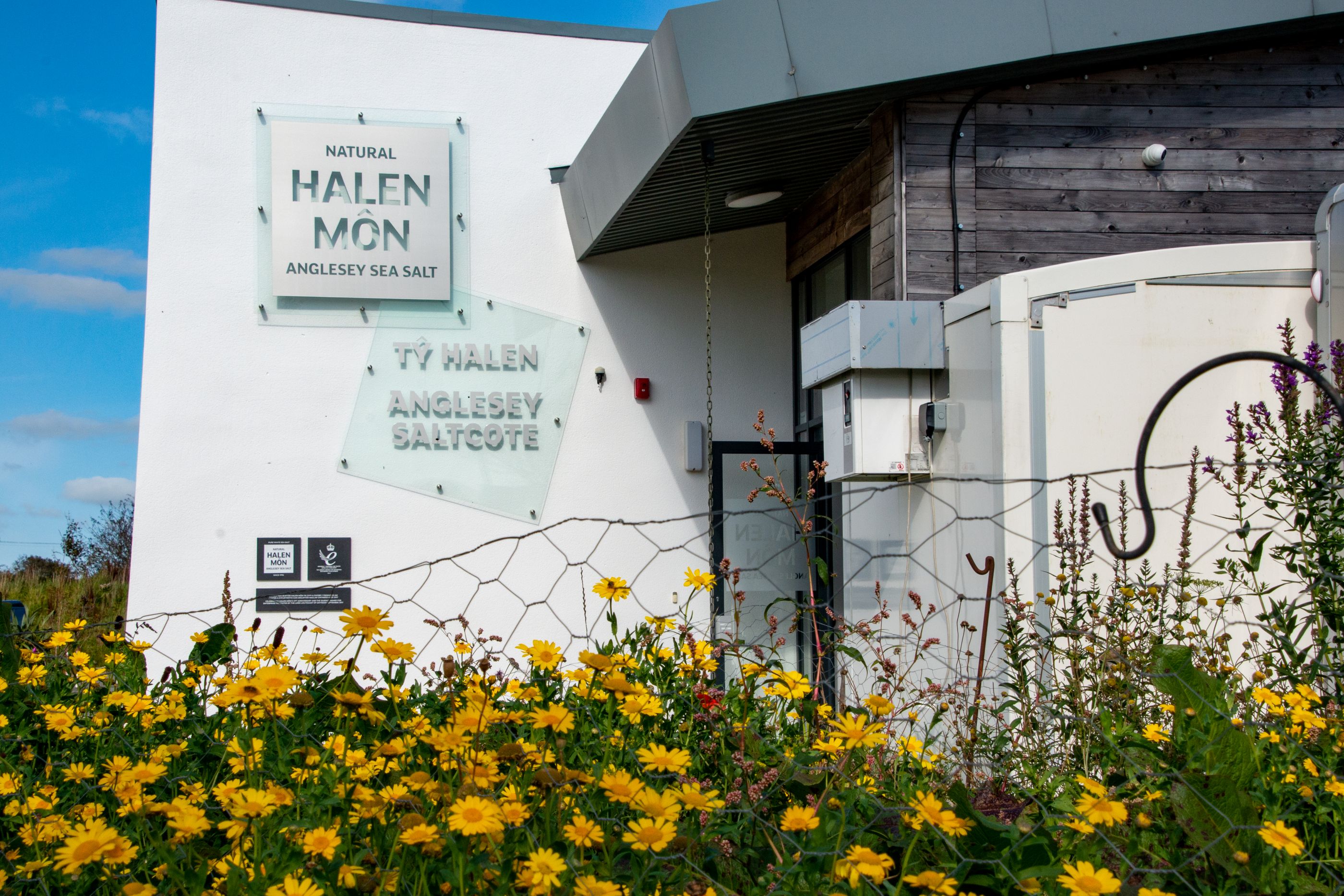
Anglesey Sea Salt Co.

"Before Brexit, it used to take under a week to export one pallet of our products from Brynsiencyn to Bologna, but now it takes up to three months. The delays are largely due to excessive paperwork."

Anglesey Sea Salt Co., Alison Lea-Wilson MBE
Brynsiencyn, Anglesey, Wales

Our Recommendations to Government

As the UK Government builds on its UK-EU reset, there is a clear opportunity to listen to the voices of UK business and ensure that economic growth, support for SMEs, and cutting red tape are at the heart of that relationship.

  • 1 Join the Single Market and Customs Union. This would address the root causes of current frictions by restoring regulatory alignment, removing rules of origin requirements, and establishing seamless trade in goods and services.
  • 2 Restore freedom of movement. Labour mobility is not peripheral to economic integration: it underpins it. Restoring mobility would ease labour shortages, strengthen fiscal sustainability, and expand opportunities for UK citizens across Europe.
  • 3 Give SMEs a voice in UK-EU negotiations. Smaller businesses have borne a disproportionate share of post-exit complexity yet often lack direct representation in high-level negotiations. Their voices must be embedded in policy-making.

Key Findings

Almost all economists agree that leaving the single market has made the UK significantly poorer. Most estimate that UK GDP per capita is between 4% and 8% lower than it would be if we had stayed in. Research from UK in a Changing Europe found that by 2025, UK GDP per head had grown 6-10% less than in comparable economies.

Across sectors and regions, businesses consistently report rising costs, disrupted supply chains, loss of EU-based customers, and new barriers to trade, recruitment, and growth. Many have been forced to restructure, shift operations abroad, or reduce services just to stay afloat.

Yet amid the frustration, there is a clear appetite for solutions, with strong support across the business community for closer cooperation with Europe, practical fixes to visa and export rules, and renewed access to the Single Market.

4-8%
Estimated reduction in UK GDP per capita from leaving the single market
99.9%
Of UK businesses are SMEs, those hit hardest by Brexit
3,000+
Businesses and individuals surveyed across our impact studies
460M+
EU/EEA market population, compared with just under 70M in the UK

Take Action

Download the report

Download the Report

Read the full Freedom to Prosper report and share it with your network.

Download
Sign the petition

Sign the Petition

Add your name to the growing call for a better deal with Europe.

Sign
Join the European Movement

Join the Movement

Become a member of the European Movement and help us make the case for change.

Join

Share This Report