
How are the UK and the EU working together on defence and security?

Europe is entering a period of heightened insecurity. Russia's war on Ukraine, rising cyber threats and global instability make closer cooperation essential.
The new UK–EU Security and Defence Partnership, agreed in 2025, finally restores a structured way for both sides to coordinate, plan and act together.
It marks a decisive shift from the fragmented post-Brexit years and opens the door to a genuinely closer strategic relationship. The Partnership lays out clear areas for cooperation. The task now is implementation. Turning the framework into real, practical progress is firmly in the strategic interests of both the UK and the EU.

Why It Matters
The UK brings advanced intelligence, cyber capability and a major defence industrial base. The EU is building significant coordination mechanisms and investment programmes. When these strengths complement each other, Europe becomes more resilient and better able to respond to crises.
The new Partnership provides a platform for joint threat assessments, coordinated diplomatic action, and cooperation on issues such as cybersecurity, maritime security, space, and continued support for Ukraine. It ensures the UK is once again involved in shaping Europe's security agenda.
Building Real Capability Together
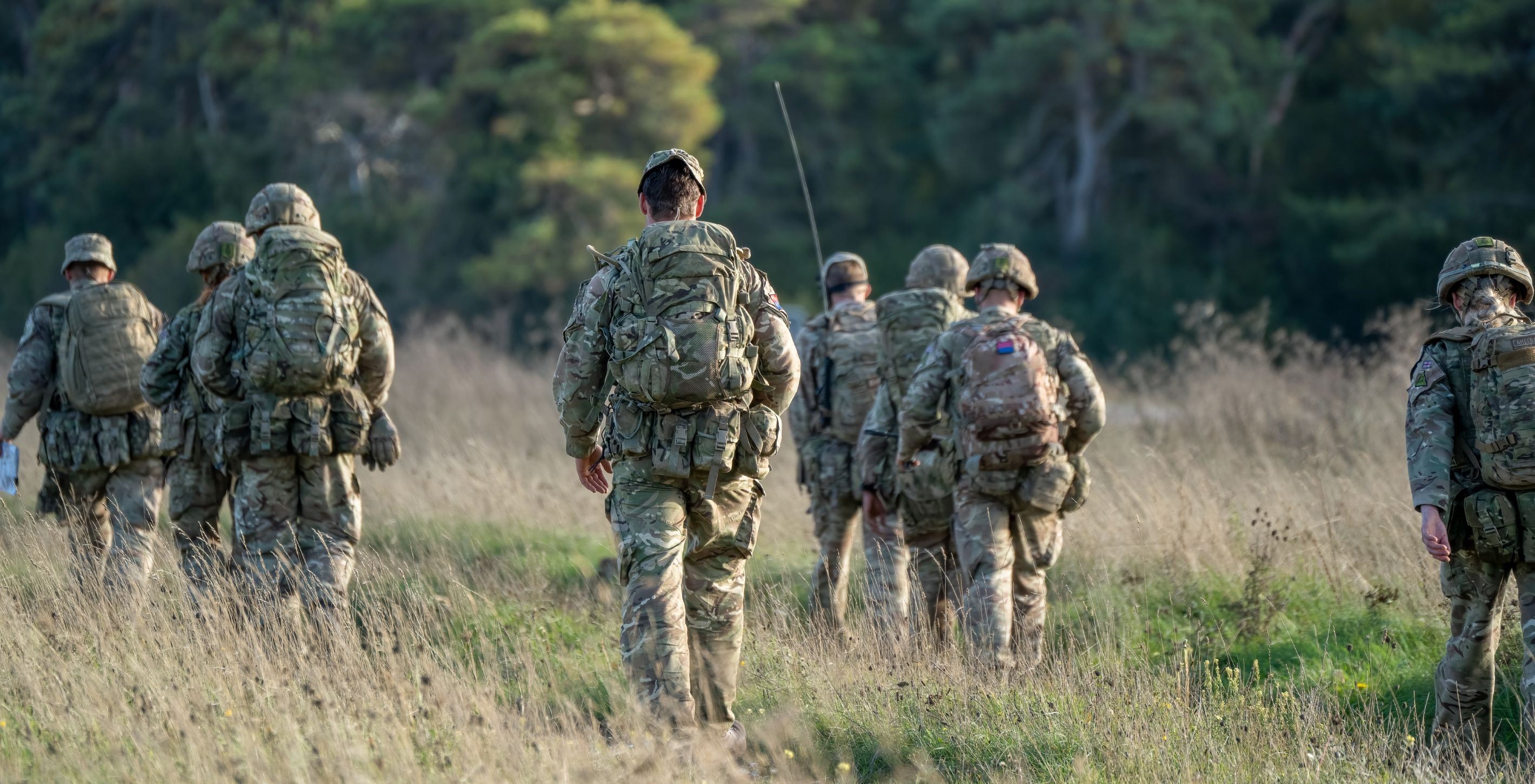
An early priority should be an Administrative Arrangement with the European Defence Agency, enabling structured UK participation in selected PESCO projects. PESCO strengthens Europe’s operational capacity; its Military Mobility project—speeding up the movement of troops and equipment—is a clear example. UK involvement would directly improve Europe’s ability to respond to emerging threats.
In parallel, the UK should establish a Framework Participation Agreement with the EU to take part in Common Security and Defence Policy missions where it serves mutual interests. CSDP is the EU’s main operational tool, and the UK previously led major missions such as Operation Atalanta. Selective re-engagement would rebuild lost capability and reinforce European stability.
Rebuilding institutional links is equally important. The UK no longer benefits from officials embedded in EU structures; renewed staff secondments would restore working-level relationships, improve mutual understanding and strengthen UK influence, mirroring schemes already used with other partners.
These steps are all foreseen in the Security and Defence Partnership. What’s needed now is the political will to turn commitment into action.

Exploring UK Participation in SAFE
One of the most significant opportunities ahead is potential UK involvement in the EU's new SAFE programme, which is designed to expand Europe's defence manufacturing capacity and strengthen supply chains.
The UK has major strengths in innovation and production, and involvement in SAFE would benefit both sides by increasing scale, reducing duplication and improving resilience at a time of rising demand.
The European Movement UK supports active exploration of this option as part of building a modern, integrated defence industrial landscape.
Our View
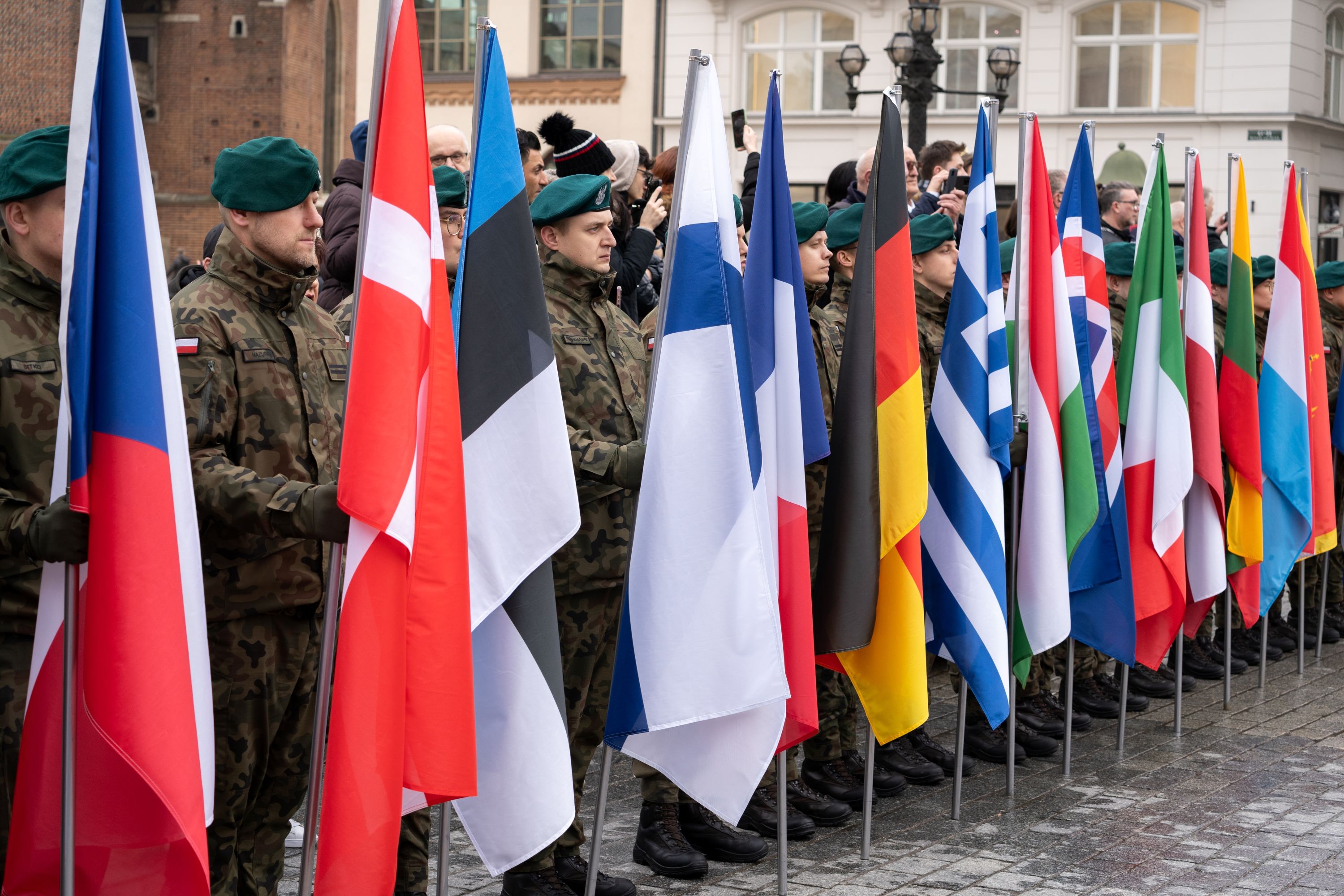
The 2025 Partnership demonstrates that a more constructive UK–EU relationship is not only possible but already underway. To succeed, this new era must now deliver real, measurable cooperation that strengthens collective security.
A deeper and more structured UK–EU defence partnership is not simply an advantage. It is vital for a safer Europe and a more secure United Kingdom.
Support a Stronger UK-EU Partnership
Join the movement working to rebuild Britain's relationship with Europe. Sign up to receive updates and find out how you can help strengthen UK-EU cooperation on security, trade, and our shared future.